
Foundation of Improvisation Course (18th century style)
Self-paced video course to learn foundations you need to improvise your own music in the Baroque/Classical style.
Introduction to classical improvisation
This introductory course is for musicians who play 18th-century music but haven’t improvised. You will learn the first steps to creative freedom using Baroque models (cadences, sequences) and how to improvise short preludes and variations.
Requirements: Experience playing classical music and basic theory.
Fugue Improvisation
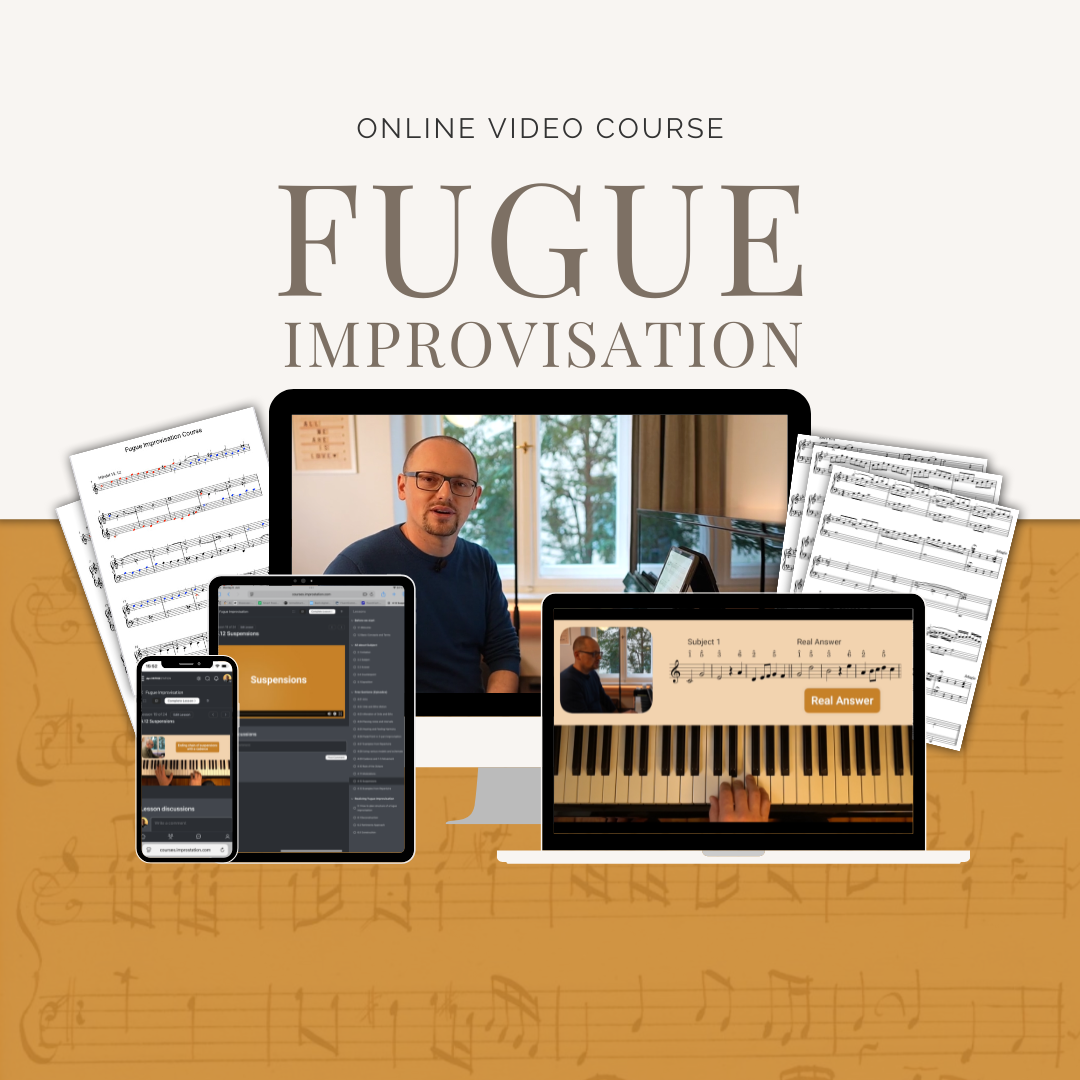
Self-paced video course to learn fugue improvisation through routine, reflection, and long-term practice.
deep work. real skills. lasting results.
Trust the Process
Understanding
Discover the core principles of fugue construction and counterpoint. Theory made clear and accessible.
Exploration
Dive into existing short versets, fugettas and fugues. Analyze, imitate, and experiment with structure.
Creation
Take control of your own musical ideas. Improvise fugues from scratch with confidence and style.
About the course
All Details
Foundation of Improvisation – Your First Step to Creative Freedom in 18th Century Style
This Basic Course (Level 1) is specifically designed for musicians and experienced hobby piano & organ players who already play classical music, particularly from the 18th century (Baroque, Classic), but have never taken the step to improvise. This is your essential introduction to classical improvisation, providing the foundations you need to begin creating your own music in the Baroque/Classical style.
🎯 What You Will Learn and Achieve
In this course, you will learn how to:
- Make your first steps in improvisation, breaking free from relying solely on sheet music.
- Improvise piano or organ pieces based on short, fundamental Baroque models and patterns, such as basic sequences and cadences.
- Harmonize parts of chorals and figurate basic patterns of the 18th century.
- Understand and apply General Bass (figured bass) notation in your playing.
- Play light variations over a given bass, such as short Chaconnes and Passacaglias.
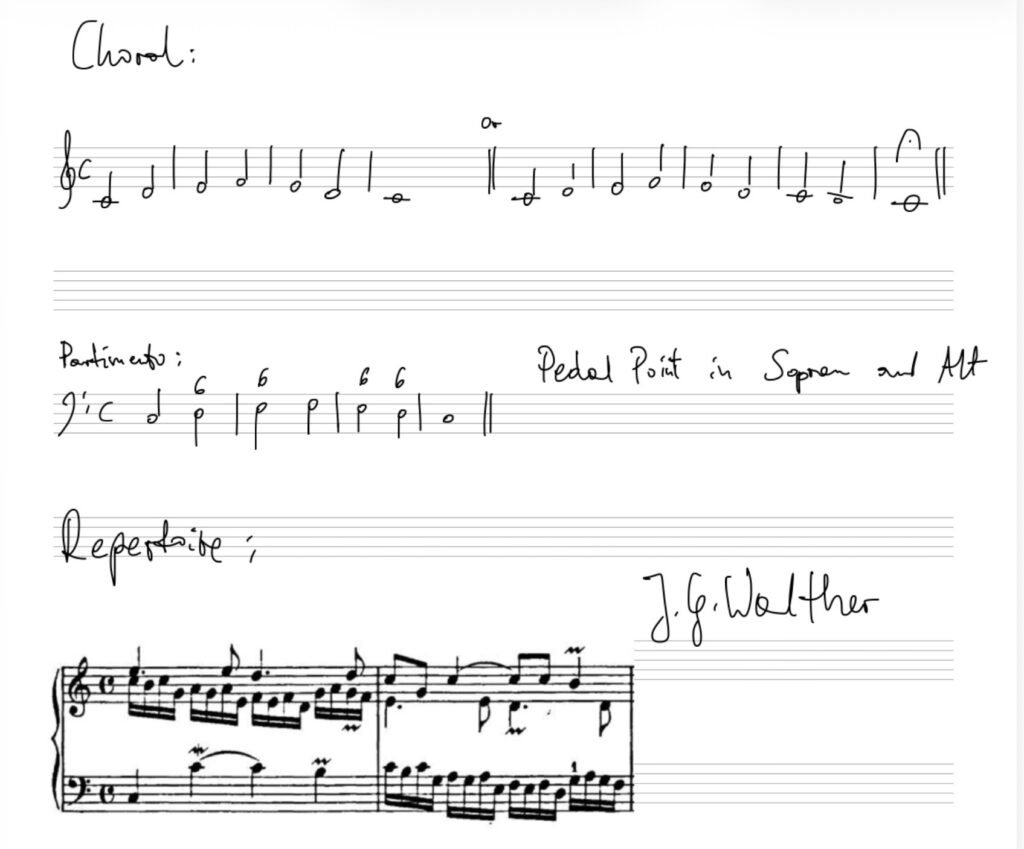
- Create short preludes over a simple schema or pedal point.
- Explore different affects (characters), experimenting with a single schema to create pieces ranging from a calm Adagio to a festive Prelude.
- Experience personal freedom in your music by expressing yourself spontaneously within the constraints of the 18th century style.
📦 What’s Included in the Package?
You receive comprehensive material from two full years of instruction:
- Lifetime Access to two complete course editions (recordings of 14 lessons from 2023 and 14 lessons from 2024 Zoom meetings, ca. 28 hours of recordings).
- Support: You can ask course-related questions directly to the instructor, who will respond via email or comment three times a week.
- One Year Community Access for continuous support and inspiration from fellow members.
🎓 Who Is This Course For and What Are the Requirements?
This course is for you if you:
- Already know and play classical music, specifically Baroque and Classical music, on the piano, organ, or other keyboard instruments.
- Are tired of playing only from notes, seek to overcome perfectionism, and want to create something personal and original in the classical style.
- Are enthusiastic about classical music and wish to deepen your engagement by using simple patterns to express yourself independently.
Requirements:
- Instrumental Experience: You must have a certain level of experience playing classical/baroque music (at least a few years).
- Music Theory: Basic music theory knowledge is required, including familiarity with notes, intervals, and chords.
- Listening Experience: You should have existing experience listening to classical music and be enthusiastic about the genre.
14-day money-back guarantee, no questions asked. If you’re not satisfied with the course,I’ll refund your money
try it out
Free Sample Lessons
Foundation of Improvisation Course
Edition 2023
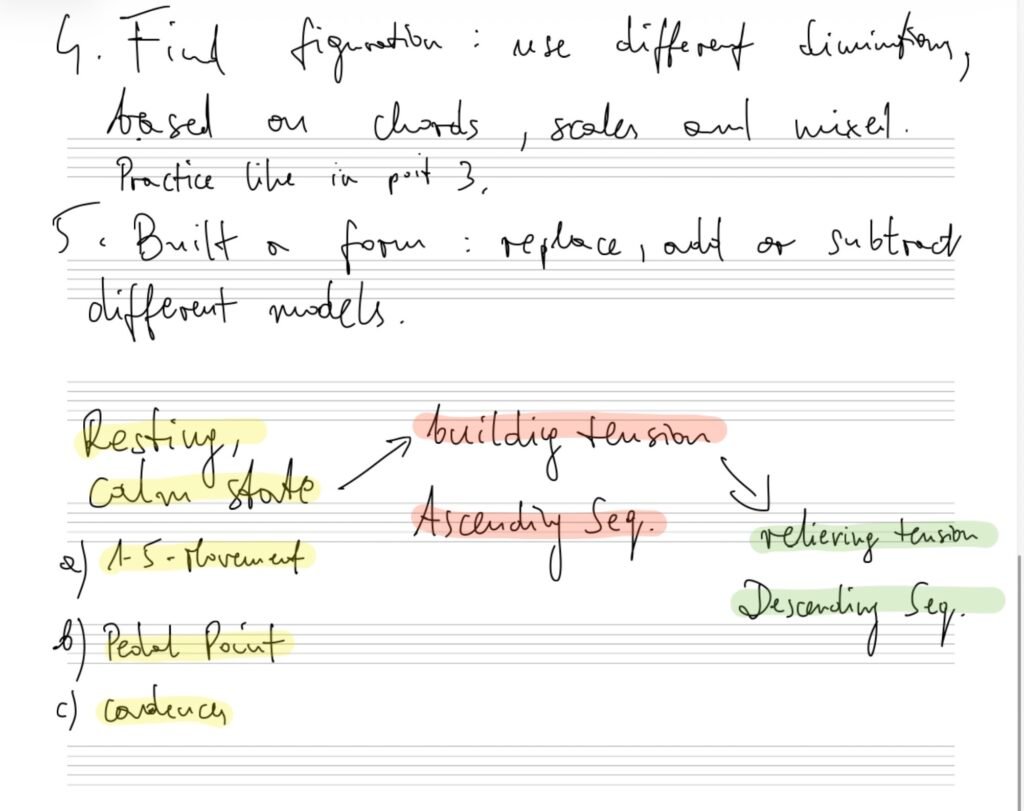
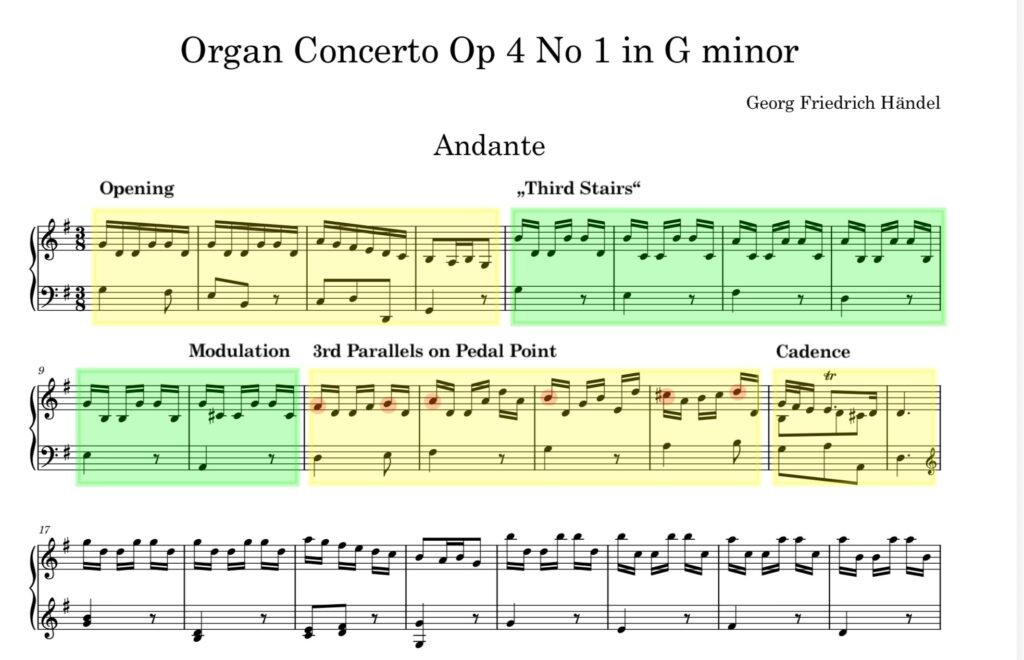
Lesson 01 – Cadence, Opening
Lesson 02 – 1-5 Movement, Pedal Point, Modulation
Lesson 03 – Major Theme, Figuration
Lesson 04 – Adagio, 3-6 Figuration
Lesson 05 – Minor Theme
Lesson 06 – Variations, Suspensions
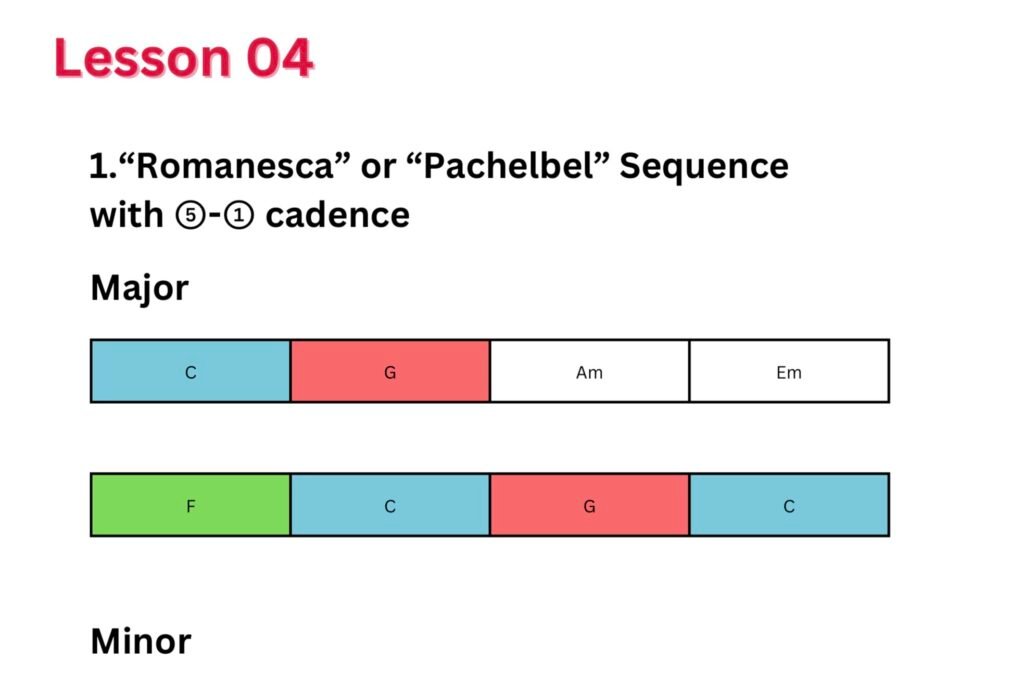
Lesson 07 – Romanesca, Falling 5ths
Lesson 08 – La Folia, Tied Bass
Lesson 09 – Fonte
Lesson 10 – Monte, Fourth Up – Third Down
Lesson 11 – Affects, Preparing the Plan of Improvisation
Lesson 12 – Improvisation Plan taken from Händel (Organ Concerto, Courante)
Lesson 13 – Deconstruction of Bach / Marcello / Vivaldi / Händel
Lesson 14 – Deconstruction of BWV 984
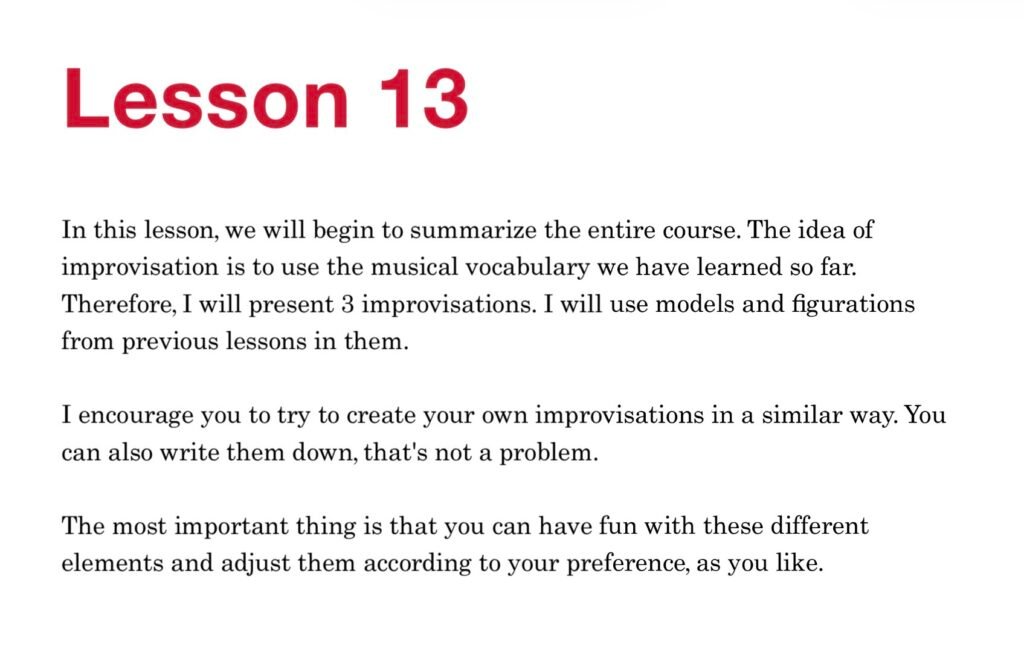
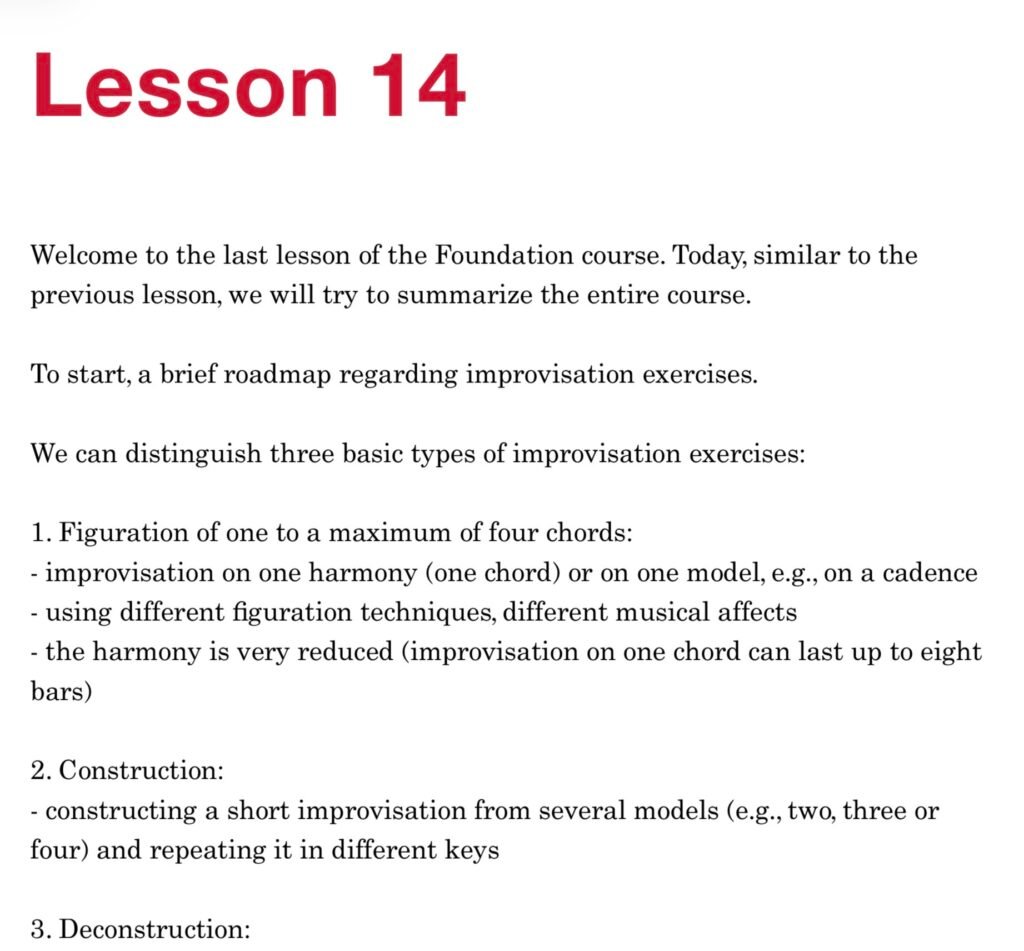
Screenshots of Lessons PDFs



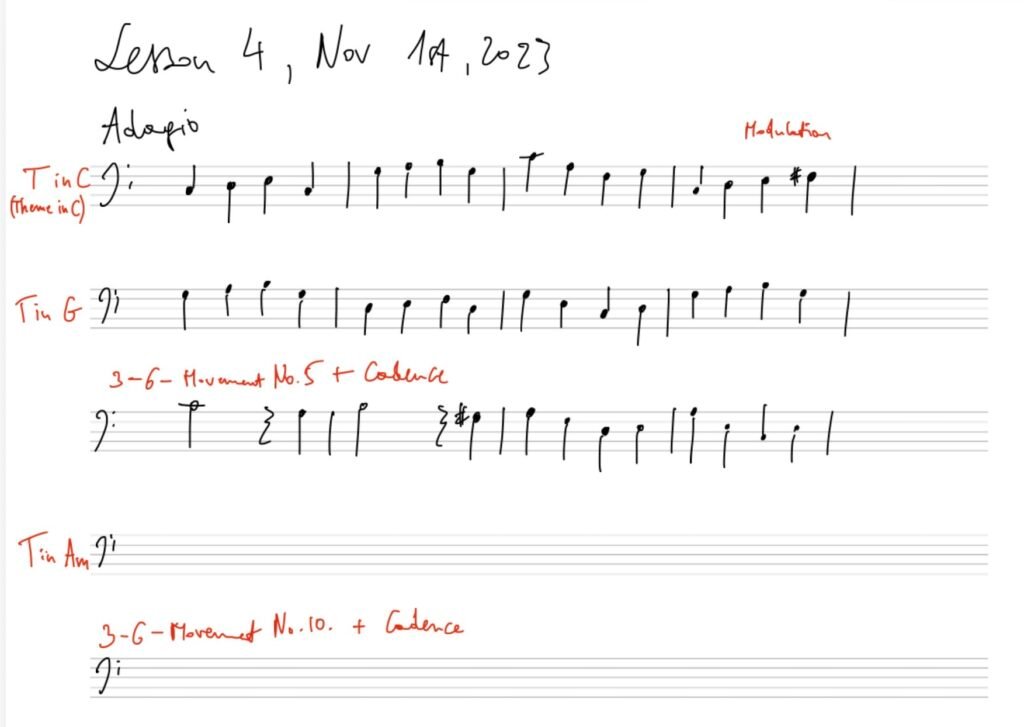

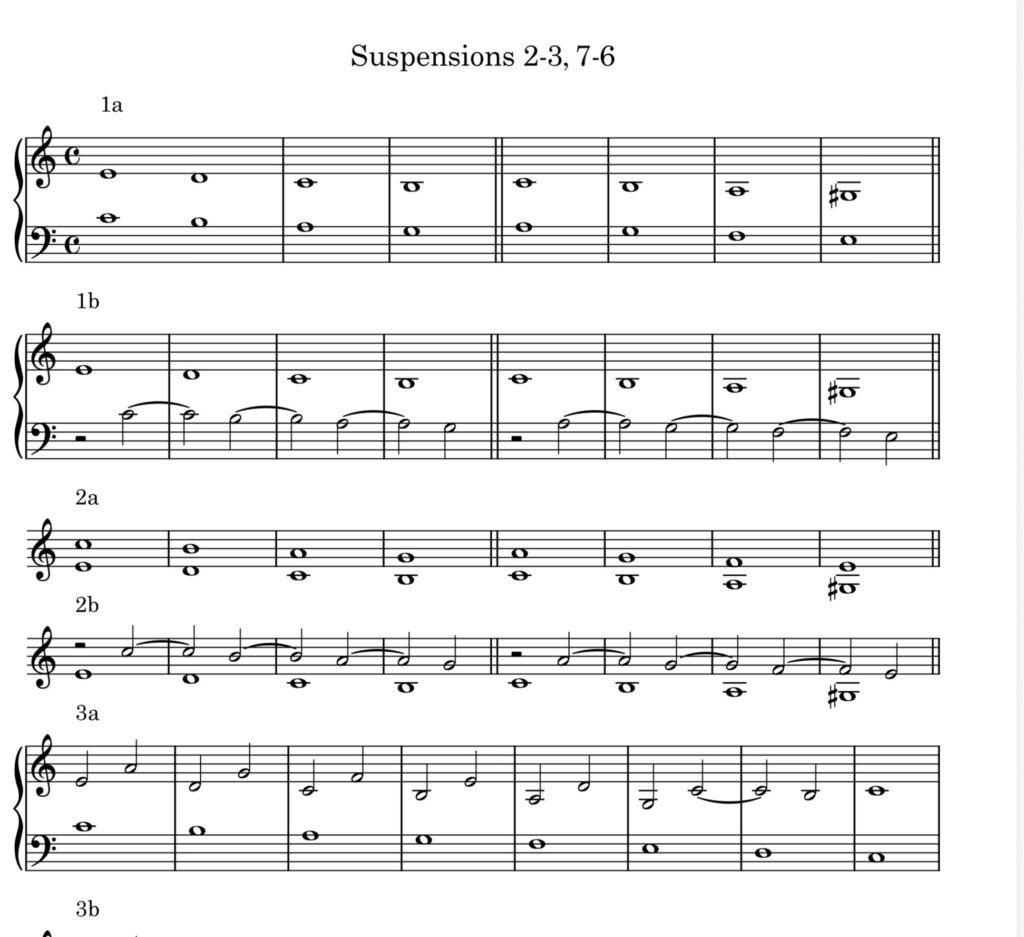
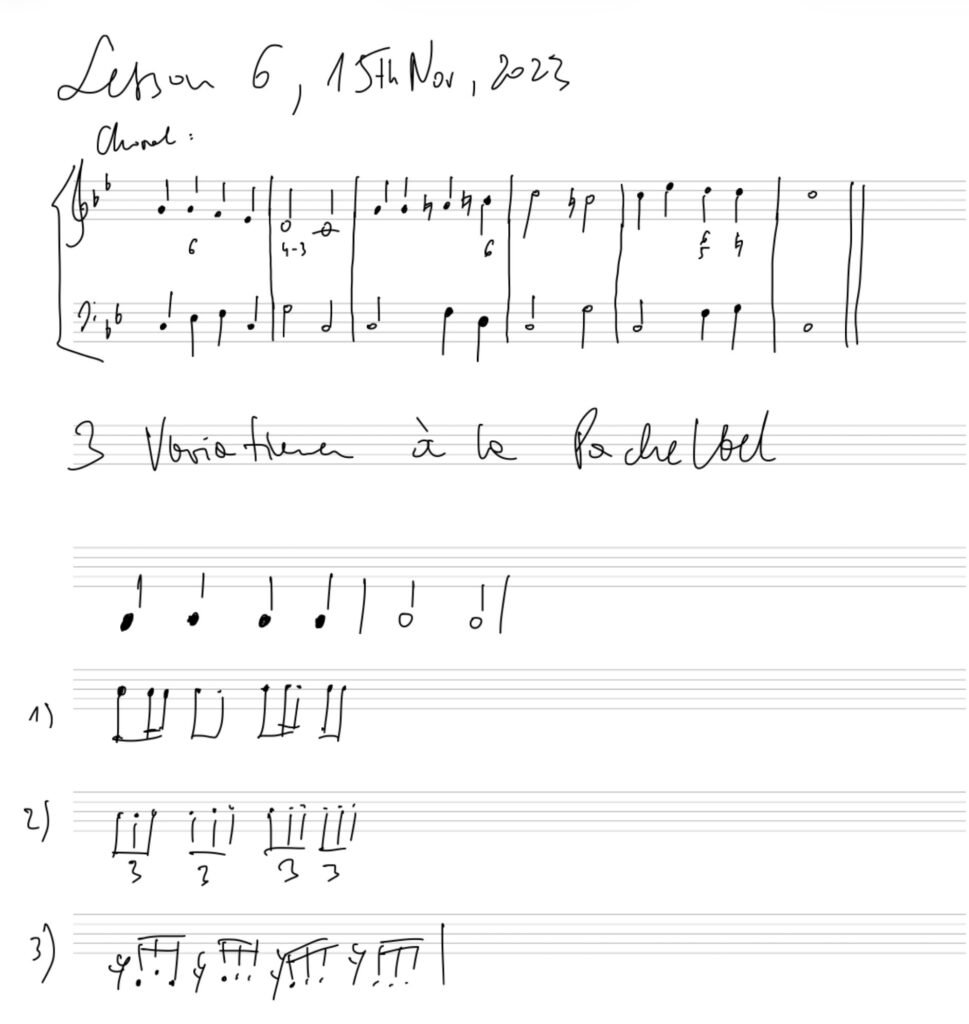


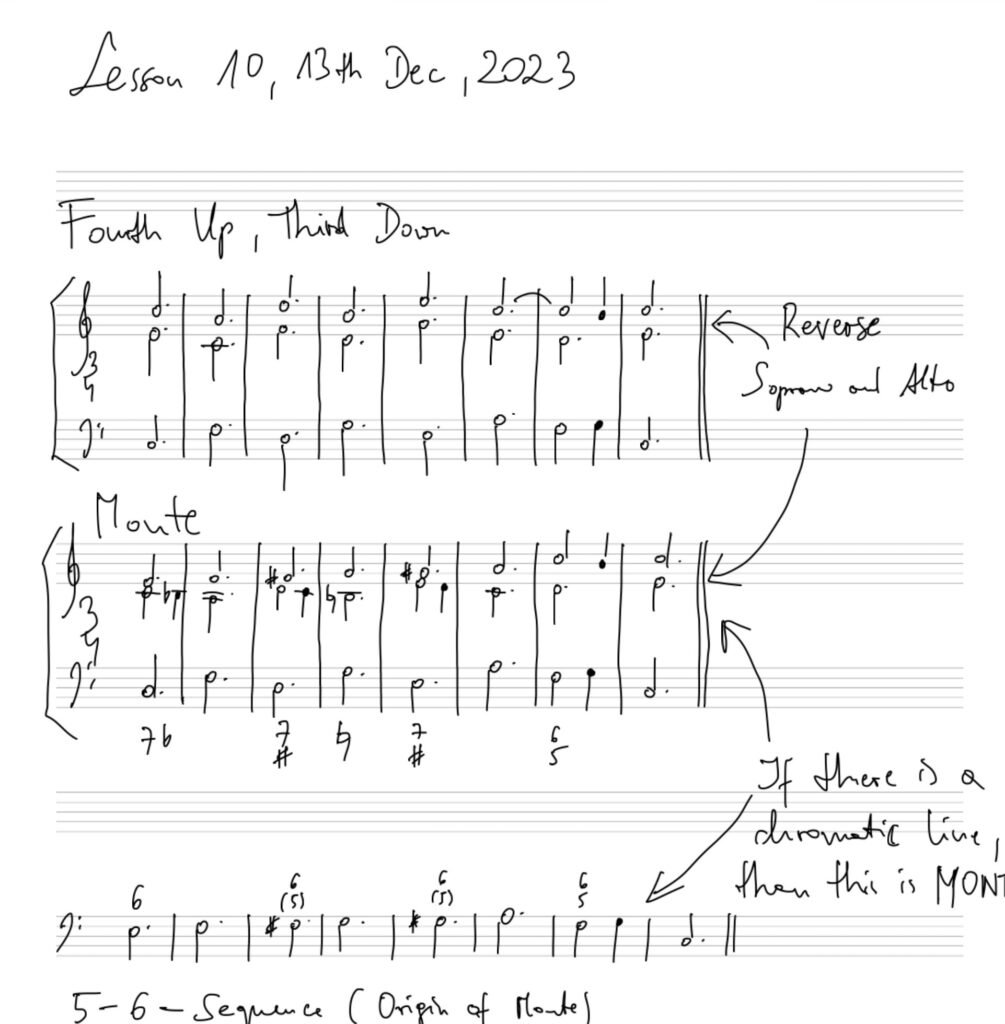


Edition 2024
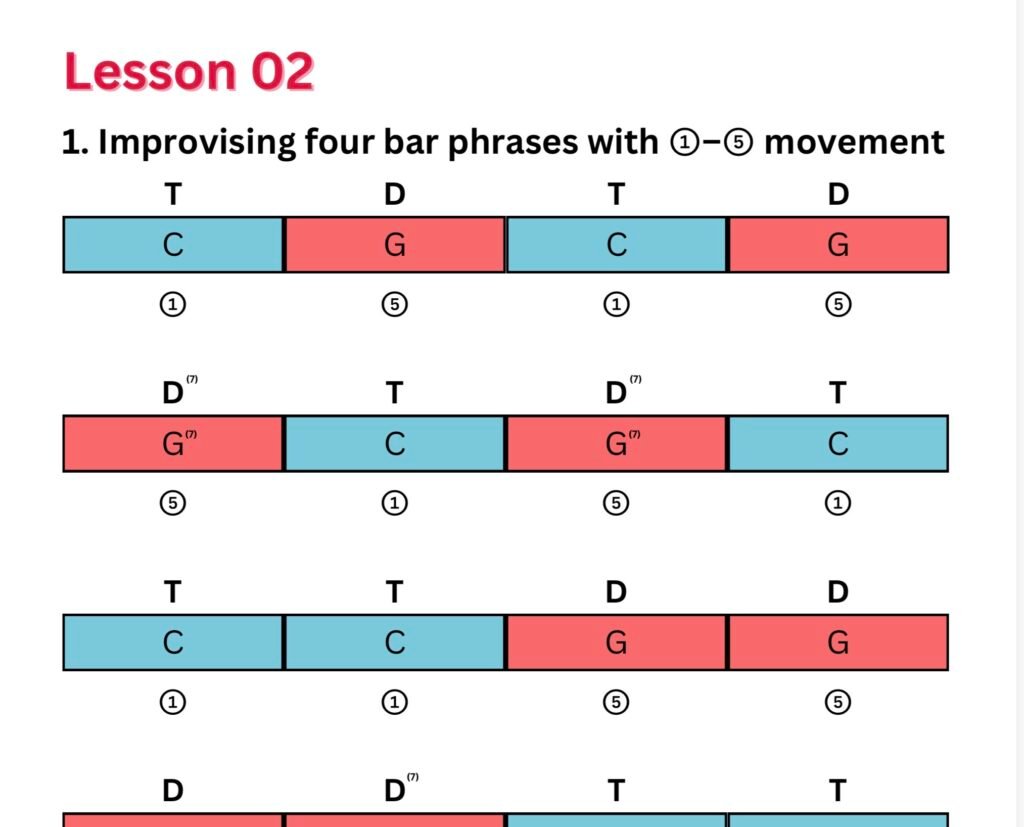
Lesson 01 – One Chord Figuration
Lesson 02 – Cadence and 1-5-Movement
Lesson 03 – Fifth Up – Fourth Down, Affects, Figurations
Lesson 04 – Romanesca, Falling 5th Sequence
Lesson 05 – Chaconne & Passacaglia (falling tetrachord)
Lesson 06 – Opening Models
Lesson 07 – Improvisation on Affect “Love”
Lesson 08 – Improvisation on Affect “Admiration”
Lesson 09 – Improvisation on Affect “Joy”
Lesson 10 – Suspensions
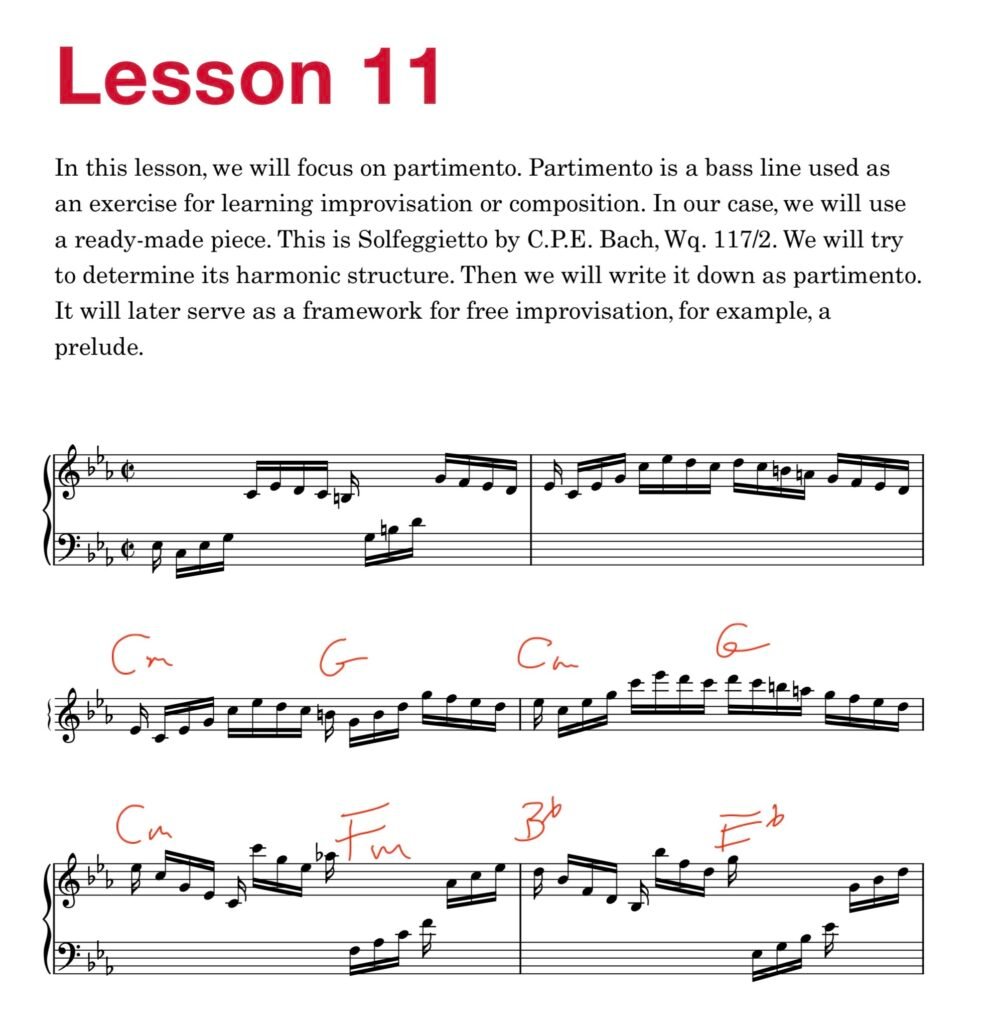
Lesson 11 – Partimento, deconstruction of C.P.E. Bach Sofeggietto
Lesson 12 – Creating a melody
Lesson 13 – Using all models from the course (example of improvisations)
Lesson 14 – Practising Improvisation – Exercises
Screenshots of Lessons PDFs




Is This for Me?
Check if this course suits you
Does this sound familiar?
You’ve always wanted to..
Now Imagine If You Could
This Is NOT for You If
Self-paced video course to learn fugue improvisation through routine, reflection, and long-term practice.
FAQ
Frequently Asked Questions
Foundation of Improvisation Course (18th century style)
Self-paced video course to learn foundations you need to improvise your own music in the Baroque/Classical style.